In mid-January 2024, North Texas was hit by an extended arctic cold front that pushed temperatures well below freezing for nearly four consecutive days. Daytime highs struggled to rise above freezing, while overnight temperatures dropped into the teens. The prolonged cold strained utility systems across the region, contributing to intermittent power outages and widespread pipe failures at residential and commercial properties.
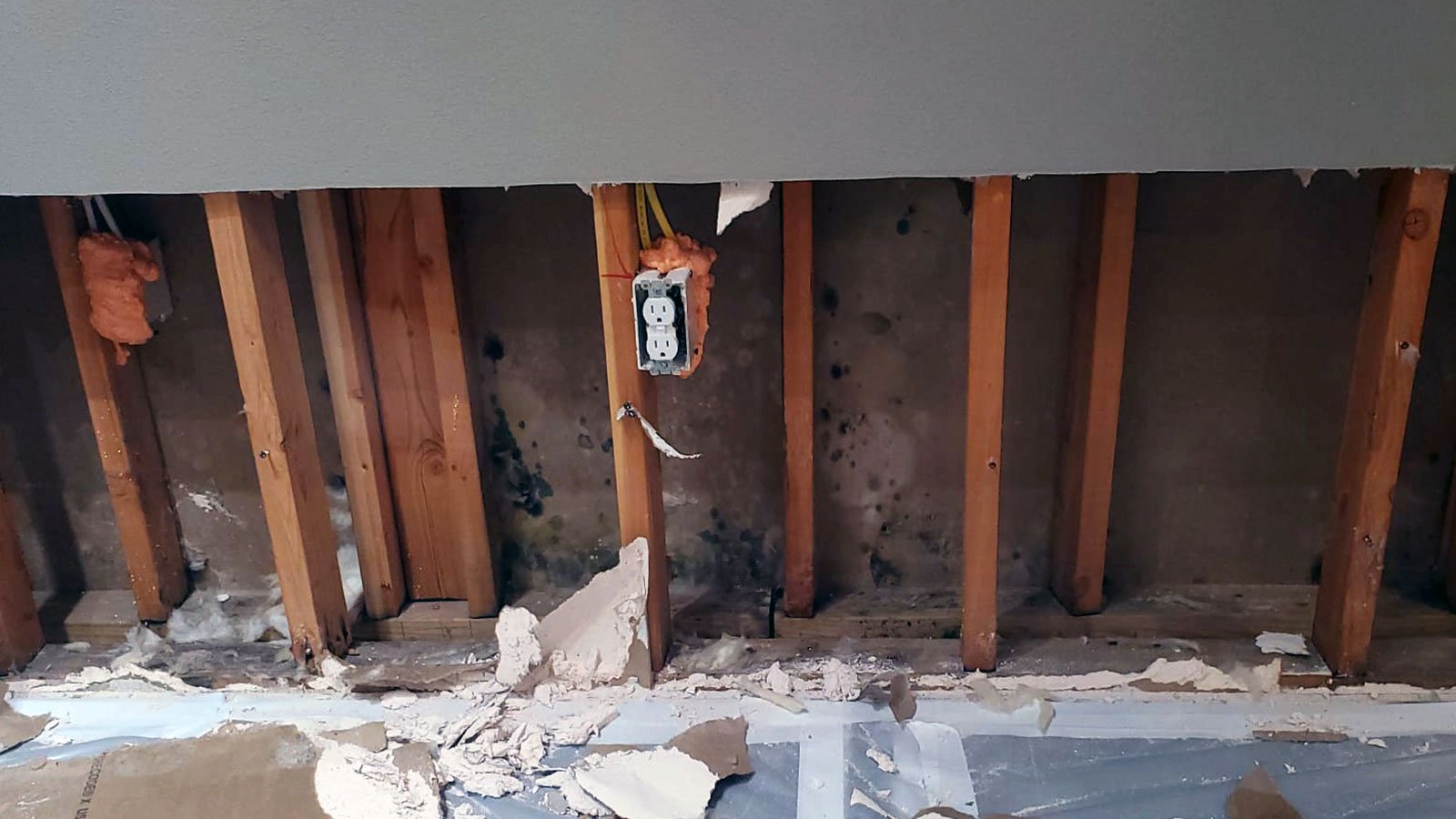
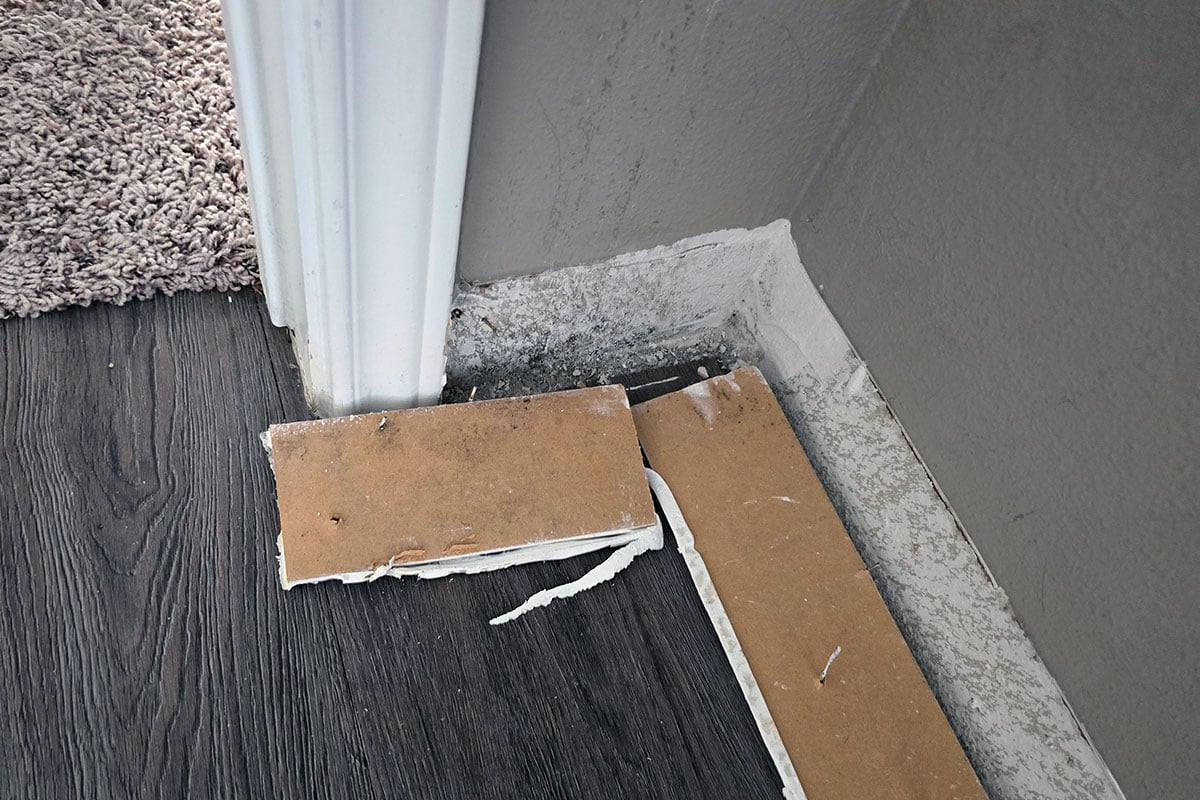
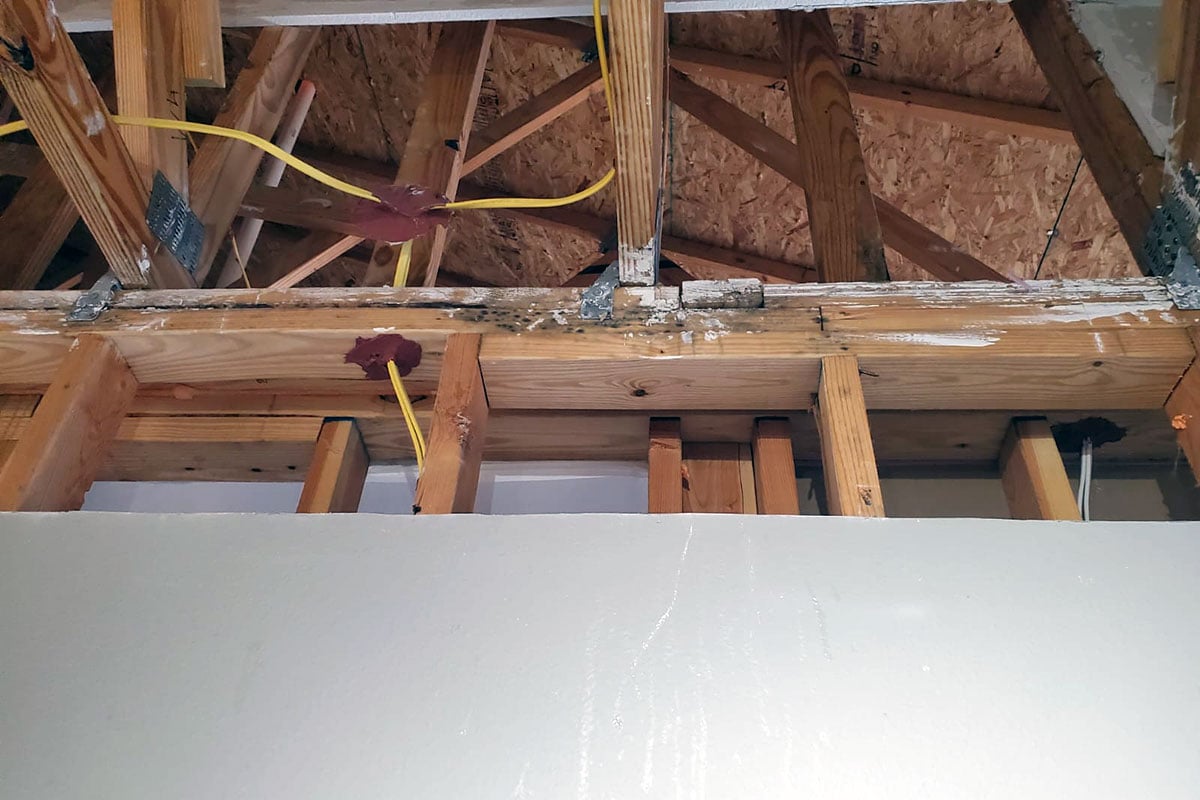
A multifamily property in Aubrey, Texas, was among the buildings affected by the power outages and frozen pipes caused by the prolonged cold. Without consistent heat, interior temperatures dropped, causing pipes within wall cavities to freeze and eventually fail. Property staff responded promptly and took steps to address the resulting water intrusion internally. Initial efforts included limited water extraction and the placement of some drying equipment. However, moisture was not fully removed, wall cavities were not opened, and no moisture mapping or ongoing monitoring was performed. As a result, water remained trapped behind finished surfaces. Over time, secondary mold growth developed, turning what began as a water loss into a large-scale mold remediation project impacting 28 units across four buildings.
Actual Project Cost
|
| Mold Remediation |
$376,536 |
| Reconstruction |
$525,279 |
| TOTAL |
$901,815 |
Projected Cost with CRC Day One
|
| Emergency Mitigation & Controlled Demo |
$239,163 |
| Reconstruction (Minimal Repairs) |
$207,016 |
| TOTAL |
$446,179 |
| Potential Savings* |
$455,636 |
*Engaging CRC from the start could have saved the client more than $455,000 in restoration costs.
CHALLENGES AND OBJECTIVES
CRC was contacted several months after the initial freeze, when mold growth had already spread and the scope of damage had expanded significantly. The delay complicated the insurance claim and increased pressure on ownership to control costs while restoring the property as efficiently as possible. The challenge was no longer limited to drying and repairs but required a full mold remediation effort across multiple buildings.
The primary objective was to safely remediate the mold, restore all affected units to pre-loss condition, and minimize disruption for residents. CRC provided a single-source, turn-key approach, combining remediation and reconstruction to simplify the process, reduce delays, and ensure consistent quality across all units.
HOW CRC RESPONDED
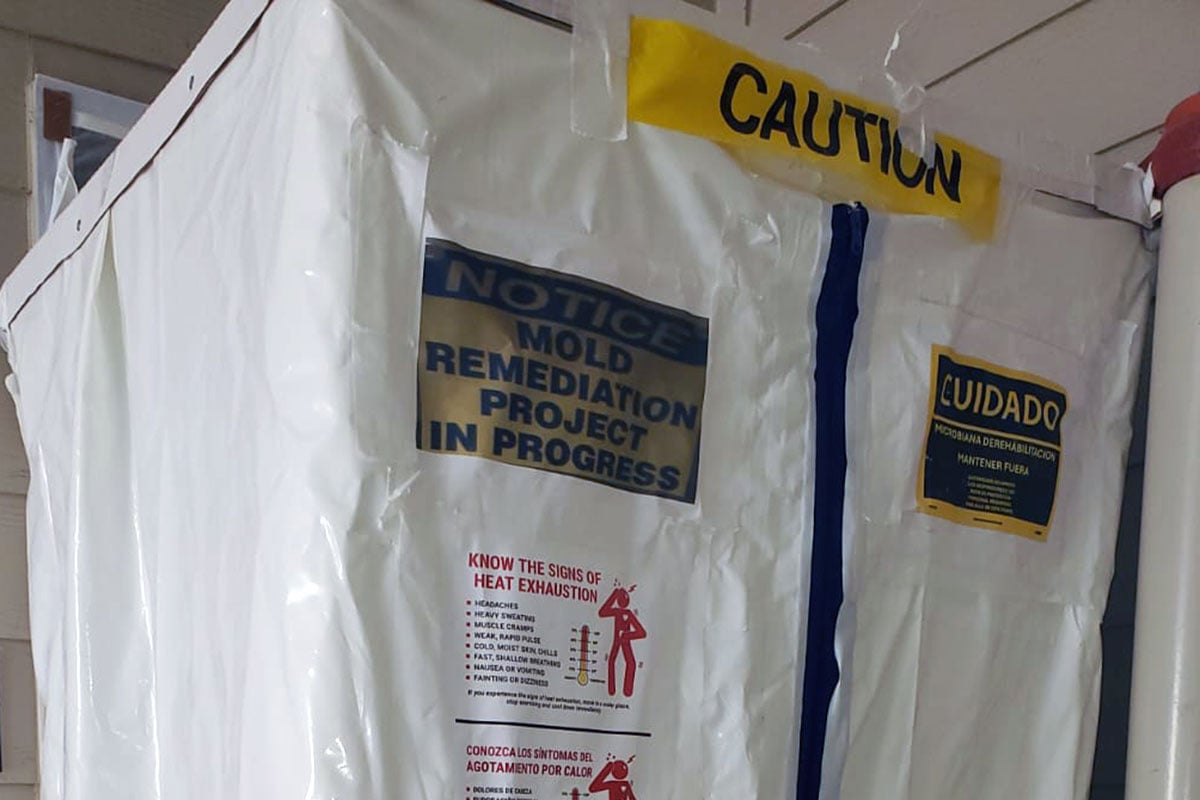
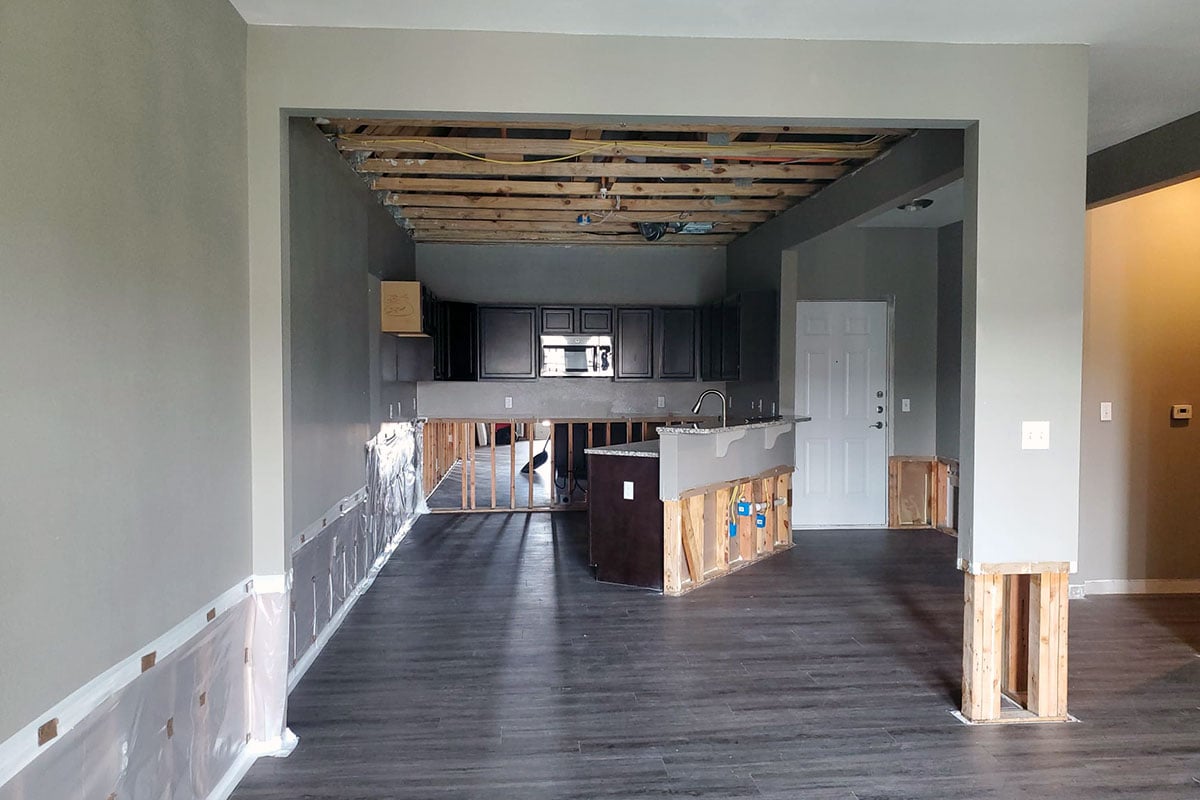
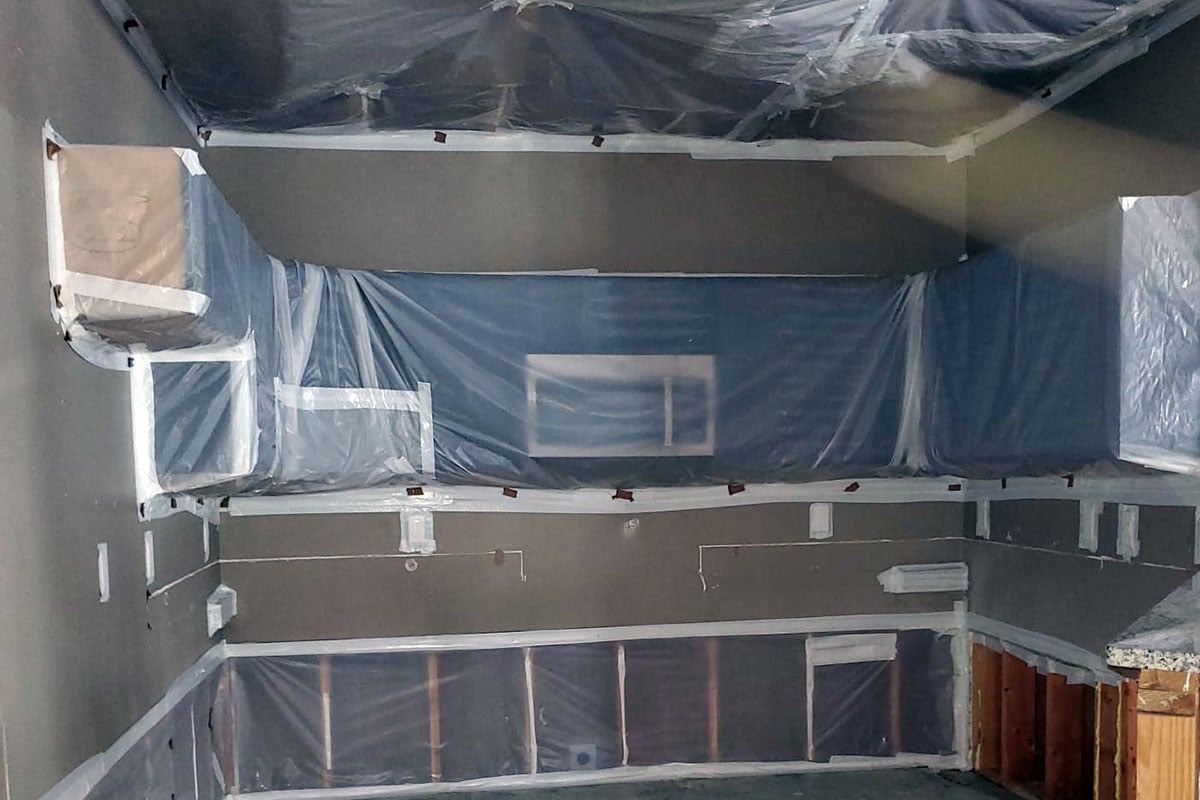
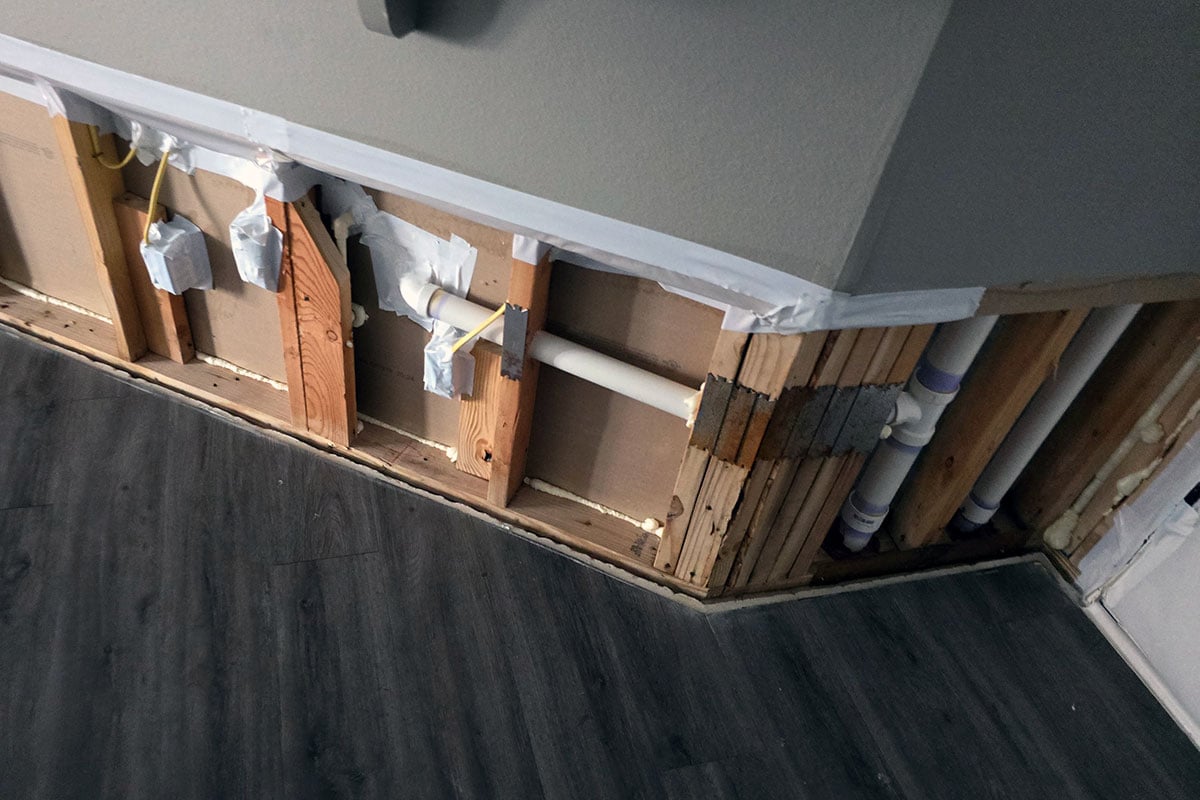
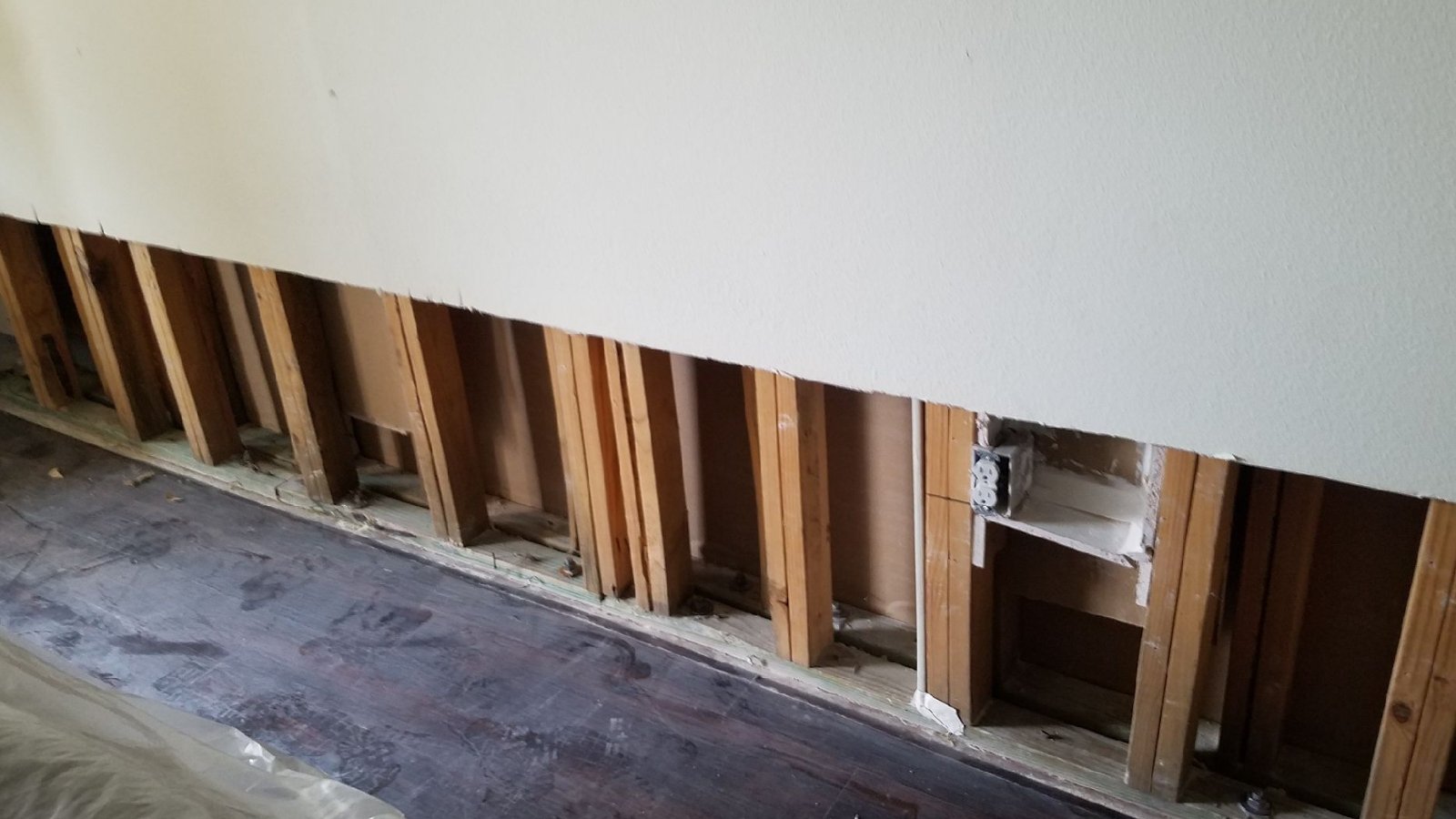
Once the contract was finalized and the required five-day state notification period was completed, CRC moved quickly to address the widespread mold growth. As a licensed mold remediation contractor in Texas, our team followed all state-regulated protocols throughout the project. Mold remediation began on May 11, 2024. Affected areas were contained to prevent cross-contamination, controlled demolition was performed where necessary, and moisture was continuously monitored to ensure all hidden water was fully removed. Each unit was remediated carefully and cleared individually, with safety as a top priority for both workers and residents. This approach allowed the project to progress in an organized, step-by-step manner while maintaining strict compliance and protecting everyone on site.
Reconstruction began on June 17, 2024, as soon as the first units passed clearance. By phasing remediation and reconstruction, CRC restored units efficiently while minimizing downtime for residents. CRC acted as a single-source provider for both remediation and reconstruction. This approach simplified communication, ensured consistent quality across all buildings, and streamlined scheduling. Work continued steadily across all 28 units and four buildings, and the full project was completed on August 28, 2024.
Results
CRC successfully restored the property, bringing every unit back to its original condition and making it safe and habitable for residents. The project also highlighted the financial consequences of delayed professional mitigation. Because the initial water loss was not addressed properly, total restoration costs reached $901,815, including $376,536 for mold remediation and $525,279 for reconstruction.
Had CRC been engaged immediately after the freeze, professional water mitigation would have changed the outcome significantly. Early extraction, controlled demolition, proper drying, and continuous monitoring could have prevented mold growth and reduced the extent of repairs. In that scenario, the projected total cost would have been $446,179, meaning more than $455,000 in expenses could have been avoided.
This case underscores the importance of calling experienced mitigation professionals at the first sign of water damage. Acting quickly not only prevents secondary issues like mold but also reduces downtime, limits disruption for residents, and protects long-term property value. CRC’s single-source, turn-key approach ensured a smooth, efficient recovery, demonstrating that the right response at the right time saves both time and money.
Facing mold damage and need assistance? Call CRC at 855-584-7887.



 Sarah Chadwick : January 14, 2026
.jpg)
 Jenna Heckman