



.jpg?width=1200&length=1200&name=Sarah%20Chadwick%20WICW%20(2).jpg)


CRC Welcomes William Wood as Chief Operating Officer
 Jenna Heckman : February 10, 2025
CRC welcomes William Wood as COO, set to continue the company's growth by enhancing efficacy, strengthening teams, and optimizing strategic direction.
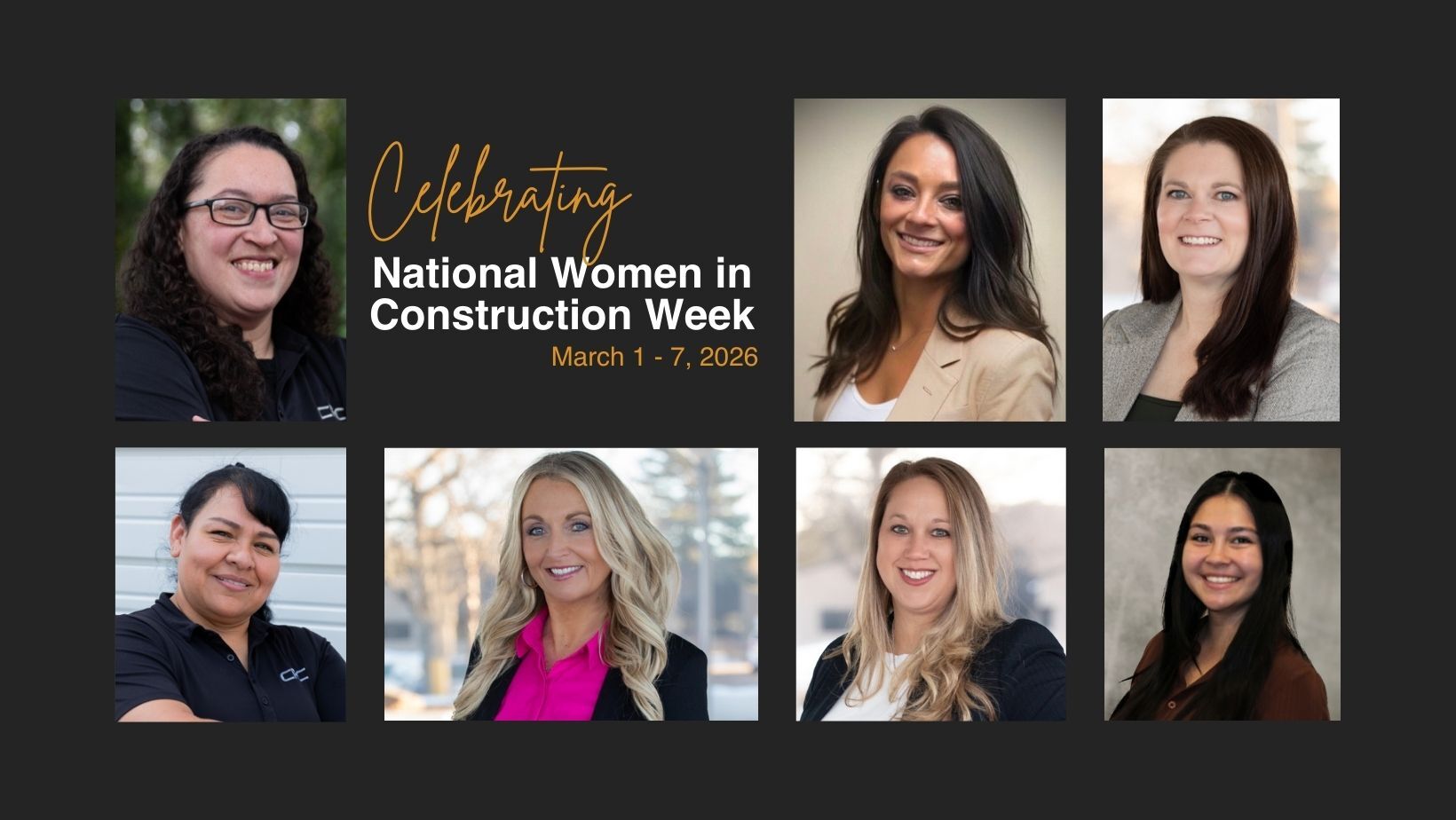
March feels like forward motion. The days stretch a little longer. Spring is around the corner. And across our industry, we pause to celebrate Women in Construction Week® (WIC Week), hosted by the National Association of Women in Construction (NAWIC).
This year’s theme is “Level Up. Build Strong.” It is simple. It is clear. And it applies to all of us.
Leveling up looks different for everyone. For some, it means stepping into leadership. For others, it means learning a new skill, mentoring a teammate, or building confidence in a role that once felt intimidating. Growth does not follow one path.
Building strong is not only about structures. It is about people, teams, relationships, and the future of our industry.
According to the U.S. Bureau of Labor Statistics, women now represent about 11.2% of the construction workforce, the highest share in at least two decades. That includes women in operations, finance, marketing, administration, project management, executive leadership, and the field. Progress is happening, but there is still meaningful opportunity ahead.
At CRC, that progress is more than a statistic. It shows up in how we work together every day.
When many people think of construction or restoration, they picture the jobsite first. Hard hats. Equipment. Crews in motion.
That image is important. It just is not the whole story.
Every successful project depends on coordination, communication, and leadership across multiple departments. Operations teams build schedules and manage moving pieces. Finance tracks budgets and supports long-term growth. Marketing strengthens our brand and keeps clients informed. Sales develops relationships that open doors. Human resources recruits talent and supports career development. Administrative teams handle the details that keep everything running smoothly. Executive leaders set direction and build strategy.
The women of CRC are contributing in every one of those areas.
Some are leading complex, multi-phase projects. Others are creating systems that improve efficiency and accountability. Some are developing partnerships in the community. Others are managing internal processes that allow teams to perform at their best.
In property damage restoration, we often meet people on some of the most difficult days of their lives. A fire. A flood. A loss they never expected. Technical expertise matters in those moments. So do empathy, organization, communication, and steady leadership. Those strengths are not confined to one department. They show up across the entire organization.
To celebrate Women in Construction Week, we asked several women across CRC to share their experiences, insights, and advice about working in property damage restoration.
Here’s what they had to say:
Hillary: I fell into this industry by accident however I was immediately intrigued and motivated behind the incredible work the industry does to help people find comfort, knowledge and some sort of order during what can be an extremely stressful situation.
Victoria: I’ve been in this industry almost 15 years. I started in the billing department at another restoration company, from there they promoted me into the production department, and then worked my way up from there.
Lauren: The uniqueness of the industry. People never want to HAVE to call you. But when they do, they are putting their trust in you to make things better. That’s what we do. We make things better by providing and executing solutions. I find that pretty rewarding.
Beth: Well, as the office manager, I haven't really been in restoration that long, but I worked in construction years ago. I have always sought out roles where I deal with customers.
Sarah C.: In college, my capstone project involved working as part of a consulting team providing recommendations to an architecture firm. That experience helped me land my first job at a different architecture firm, and from there, I naturally gravitated toward the services side of the AEC industry. Before transitioning into restoration, I also worked for a property management company with a construction division. That background made stepping into the restoration industry a seamless fit, allowing me to bring my experience and skill set into my marketing role. I've always been drawn to service-based industries because they offer a real sense of purpose by helping people in meaningful ways. In restoration, that impact is even more tangible, as we help people rebuild after disasters.
Melanie: Growing up in a small town in the West Texas panhandle, I learned early on the value of hands-on work. This sparked a passion for preservation, creation and leadership which are all qualities that are abundantly present in the realm of the construction restoration industry.
Ashley: I’ve always had an interest in helping people through tough situations, and property damage restoration felt like the perfect way to do that. When people experience damage to their businesses, it’s often a very stressful time for them. Being part of the team that helps them restore their space and bring things back to normal is really fulfilling. Plus, the variety of challenges in the job – whether it’s water damage, fire, or mold – keeps things interesting and lets me learn constantly. It's a great balance of problem-solving and providing real support when people need it most.
Carmen: After being in the concrete construction business for years, I found that I enjoyed working on projects and how rewarding it is to see a project through from start to finish. I have a passion for helping people and in the restoration business it is incredibly rewarding to make a difference in people’s lives.
Sarah R.: I moved to the city and took a job at a dry cleaner while figuring out my long-term career path. That role quickly evolved into managing fire- and water-damaged textiles, then expanded into art and electronics restoration. Transitioning into structural mitigation felt like a natural progression, and eventually I stepped into large-loss commercial rebuild with CRC. I’m a planner, an over-communicator, and a helper at heart — and this industry allows me to use those strengths to bring clarity and structure to chaotic situations.
Isabelle: One major selling point for me was the job security of this industry. There is always going to be a need for property restoration and that was really important to me. I also liked that there typically aren’t a lot of women who work on the operations side of restoration/construction. I felt like this industry would be a great place for me to grow as an individual and learn so much about management and it felt like a fun challenge to get my foot in the door to open up other opportunities for other women to integrate into typically male-dominated fields.
Hillary: There have really been so many, however the floods of 2013 will always hold a special place in my heart, so many homes and people’s lives were affected. I remember walking into a customer’s house with our team and seeing a mom cry over her kid’s artwork being ruined. As a mom who keeps things like this, I wanted to find a way to preserve whatever I could, so we dried the artwork out and had it framed for the family.
Victoria: There isn’t one that stands out, but what I will say is the most rewarding part of this job is helping people. You’re there to help them and to calm them down and walk them through the process. If I know that I’m helping someone it’s rewarding every single time.
Lauren: I think the most gratifying projects are the ones that you go above and beyond for. This means doing the little extra things that you don’t have to do but can make a huge difference. For instance, if there is an apartment building fire that we are working on, I’ll purchase household items, toys, grocery store gift cards, etc. for the displaced residents and give them to management to disperse. That provides help to the people who need it, and it makes management look good. No one knows it was from us, except management. That shows we’re willing to help people without expecting credit for it. And it helps maintain our positive reputation with management. After all, they are the ones calling on us.
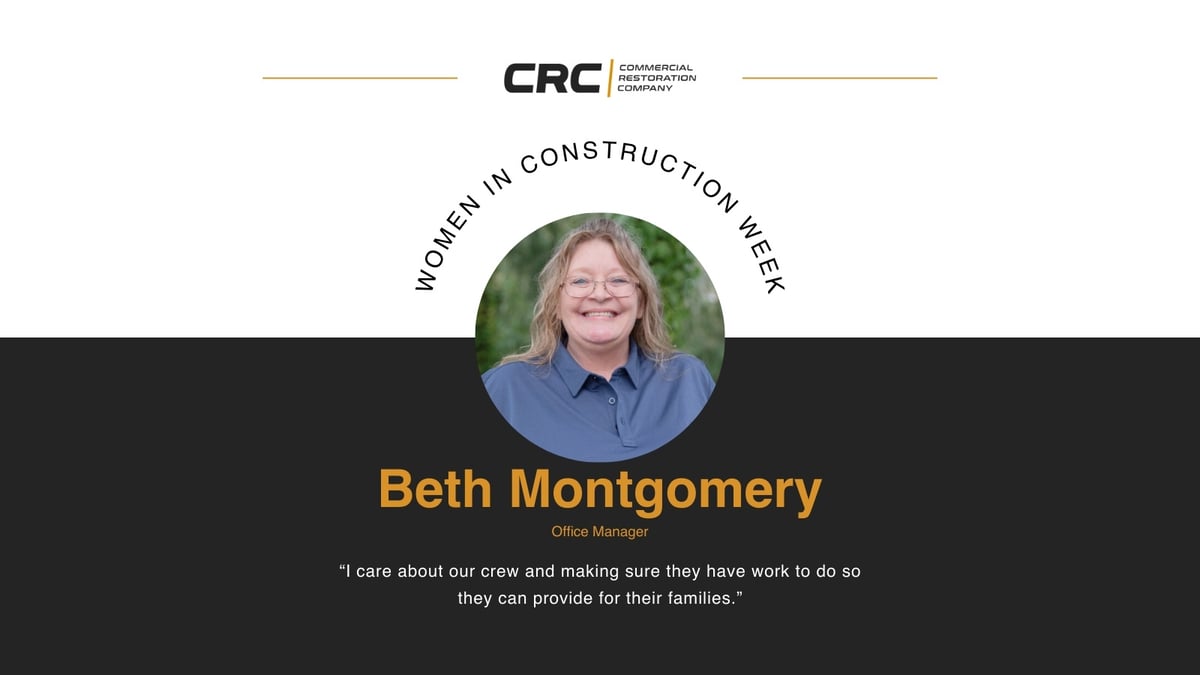
Beth: Because I’m in more of a support role, what I find rewarding about our projects is a little bit different. I care about our crew and making sure they have work to do so they can provide for their families.
Sarah: I’ve been in the restoration industry for nearly a decade now (wow!), and there have been so many rewarding projects along the way. But one of the things I’m most proud of is what I’ve built here at CRC. When I joined, I was the company’s first marketing hire, and since then, I’ve been able to create and grow our marketing team from the ground up. Starting with minimal existing collateral, I developed our branding, built out marketing materials, and established strategies that have helped drive our company’s growth. Today, we have a marketing team of three...and counting! Seeing that evolution and knowing I played a key role in shaping it has been incredibly fulfilling.
Melanie: Every project I have worked on has come with its own set of challenges which I welcome; it’s the only way to learn and grow. Managing a particular project that spanned over 18 months and grew from a small 6-figure job into a multi 7-figure job over the course was the most difficult and rewarding project of my career. Working with management, ownership and multiple vendors taught me valuable lessons in time-management, project management, cross-functional team leadership and a deep understanding of a client relationship.
Ashley: One of the most rewarding projects I’ve worked on involved planning, hosting, and arranging a national meeting with our sales team from across the United States. This event required meticulous coordination, as we had participants from various regions, each with different needs and expectations. My role in the success of this project was multifaceted. First, I was responsible for the overall planning and logistics. This involved selecting a location that was accessible to everyone, coordinating travel arrangements, and ensuring that the venue had all the necessary equipment for presentations and discussions. I also worked closely with other teams to develop the agenda, ensuring that the content was relevant and engaging for the diverse audience. I played a key role in communication and collaboration, ensuring that everyone, from leadership to the sales team, had clear expectations and understanding of the meeting’s goals. Additionally, I oversaw the scheduling of sessions, ensuring that there was enough time for networking, team-building, and product updates. The event itself was a great success, as it helped align the sales team across the country, provided valuable training, and reinforced the company’s goals and strategies. Seeing the team leave the meeting energized and motivated, with clear goals to pursue, was a very rewarding outcome. The smooth execution of the event was a direct result of the planning, attention to detail, and coordination across multiple teams, and it made a significant impact on our sales performance for the upcoming quarters.
Carmen: Every residential or commercial loss has a story where I have felt like a hero but one really stands out. An elderly lady had her house catch on fire and a week before that her husband had passed away. She asked if I could be there on the job every day to be by her side, so I showed up every day to help her sort out and save some of her life’s memories. Knowing how relieved she was to see me every morning and helping to ease her mind was incredibly rewarding.
Sarah R.: One of the most rewarding projects I worked on was restoring a movie theater after significant damage. As a movie fan, seeing the projectors and technical equipment up close was incredibly special. Watching the theater reopen and knowing we helped bring that experience back to the community was a full-circle moment. It reminded me that restoration isn’t just about buildings — it’s about restoring experiences.
Isabelle: I have had a few, but one in particular stands out. At my previous employer, we had a large hospital water loss that impacted the 5th floor NICU all the way down to the 2nd floor that I was an estimator for. Each area had its own thing going on – asbestos that needed to be abated, lead-lined walls in MRI rooms, moving hospital machinery, etc. Each floor and room had its own set of challenges we had to move through. We were able to finish demo of all impacted areas on all floors within a week and turn over the NICU within 2 weeks and turn back over all other impacted areas within a month. The hospital was happy and I was so proud of the work we did and how quickly we were able to turn it back over.
Hillary: Remind women that not only can they bring the same hard skills to the workplace but the soft skills we naturally possess like empathy, organization and listening can help any team flourish and maximize results.
Victoria: That’s a tough one. When I started, it was a male-dominated industry. When I went from billing into production, I was apprehensive at first because there were some reservations about me being in that department. It required some coaching, and having the support of my coworkers from the beginning helped me get to where I am today.
Lauren: I think more women would want to be part of this industry if they knew how satisfying it is to foster meaningful, deep relationships with your clients. Some of my clients from 15 years ago are my best friends now. I would never have met them if it wasn’t for being in the industry.
Beth: I don’t know, but it would be nice to have more women in this industry. I think that we pay more attention to detail, and when you’re working in restoration and reconstruction, the small details you miss can cost you more time and money later.
Sarah C.: Building awareness is key. There are so many career opportunities in this industry, both in the field and in the office, and I think many people (women included) just don’t realize what’s available to them. The more we highlight the variety of roles and showcase the impact of the work we do, the more women we’ll see stepping into these careers.
Melanie: There are abundant learning and growth opportunities for women in the restoration industry. From entrepreneurial ventures to utilizing critical problem-solving skills and creativity, women have the chance to thrive and make a positive impact in the property restoration world. As women already in the industry, it's essential for us to lead by example, actively inviting other women who may be curious to join and demonstrating that there is a seat at the table for each and every one of them.
Ashley: To encourage more women to join property damage restoration, I think the industry could focus on a few key areas. First, showcasing female role models in the field can make a big difference—highlighting successful women who are thriving in these roles shows others that it's possible. Second, offering mentorship programs and creating a supportive network for women in the industry can help build confidence and provide guidance. Lastly, emphasizing the flexibility and variety that the job offers could appeal to women who might be looking for a career that provides both a challenge and the opportunity to make a tangible difference. Breaking down some of the stereotypes and creating more visibility around women working in this space could inspire a lot of women to take the leap!
Carmen: I think if schools and universities collaborated with women in construction to educate about the restoration industry and that it is also a rewarding career path that makes a huge impact and a difference in peoples lives.
Sarah R.: Visibility and mentorship are essential. Partnering with colleges and trade programs, and supporting leadership development through organizations like NAWIC, helps show the range of opportunities available in this field. When women see other women thriving in construction and restoration, it makes the path feel possible.
Isabelle: I think more knowledge about what construction/restoration entails will be helpful to other women. I have noticed that a lot of people simply don’t know that there are many fields of work in the construction/restoration industry that can cater to people’s specific skill sets. I also think it’s encouraging to know that there are classes through the IICRC that can teach you so much about this industry to make it a little less daunting. I personally have taken a few classes to get certifications and I felt so encouraged to work afterwards with all this new knowledge.
Hillary: We as women can be our own worst enemy. Confidence is key. Remind yourself that there isn’t anything you can’t do. Don’t be afraid to ask questions or stand your ground.
Victoria: Have confidence, and don’t be afraid. Have confidence in yourself that you can do the job, because that was my biggest thing in the beginning. Those are the two most important things I would say to anyone getting into this industry.
Lauren: I would tell them not to be intimidated by lack of knowledge about the technical side of things. There are plenty of opportunities to learn from peers, leadership, job sites, trainings, etc. Also, to have thick skin and be persistent. If you’re trying to get someone to use our services and don’t get a response or even get “no” as an answer, stick with it. Other companies are always screwing up, decision makers are always moving around, and there are always different tactics you can try!
Beth: You can do anything the boys can do and maybe even better. I grew up with a dad who taught me all the things he taught my brothers, so I’ve always felt comfortable around tools and equipment. I think there are a lot of women like that who would be great in restoration.
Sarah C.: This industry offers endless opportunities, embrace them, learn, and share your insights. If you're in an office or support role (like me), don’t shy away from hands-on experience. Spend time in the field to better understand the challenges, appreciate the work, and see how your role supports the team. It’s also a great way to build relationships and grow.
Melanie: As women in this dynamic industry, you're part of a community that values your unique skills, creativity, and determination. Whether you're part of sales, operations or managing projects, your contributions are essential to revitalizing communities and preserving cultural heritage. Embrace the challenges, seize the opportunities for growth, and know that you're making a positive impact every step of the way. Together, let's continue to lead by example and inspire future generations of women to join us in shaping the future of property restoration.
Ashley: Networking is critical. Build relationships with mentors, colleagues, and clients. Supportive relationships will open doors and help you gain valuable insight. Don’t be afraid to ask questions or seek advice from those who have been in the industry longer.
Carmen: My advice for starting out in the restoration industry would be: Stay confident and persistent, stay off the rollercoaster, keep learning, show up, follow up and most importantly be excited and passionate about what you do. Be the peace of mind and partner that property owners are looking for and need. Restoration isn’t just for men, a woman’s touch goes a long way with sincere empathy and compassion.
Sarah R.: Don’t be afraid to ask questions. Find your people and build a strong network. This industry rewards confidence, curiosity, and collaboration. And, there is absolutely space for women to lead, grow, and make a meaningful impact.
Isabelle: Starting out, I would say never say no to any new opportunity. Whether it be taking classes, shadowing a veteran in the field, going to marketing events, reading through other people’s reports, etc. There is so much to be learned within this industry and I think taking advantage of all the resources is so important when starting out. And don’t be afraid to ask questions. There is always someone who has an answer or has ways to find an answer and most of the time, the people around you notice you’re asking and trying to learn and they will appreciate that more than you will know.
Women in Construction Week is about recognition, but it is also about visibility and momentum.
It highlights the range of careers within construction and restoration. It shows students, career changers, and young professionals that there are multiple ways to build a meaningful career here. Leadership does not look the same in every department, and that is a strength.
This industry needs analytical thinkers and relationship builders. Creative communicators and strategic planners. Hands-on problem-solvers and big-picture leaders. Some thrive onsite. Others excel in coordination, finance, marketing, operations, or executive roles.
Strong companies are built through diverse perspectives. Different experiences improve decision-making. Varied strengths create more resilient teams. When women are represented across all functions of the business, the organization becomes stronger as a whole.
Leveling up applies to every department and every stage of a career. It means continuing to learn, supporting one another, and creating clear pathways for growth.
That is how we build strong.
As we celebrate Women in Construction Week 2026, we are grateful for the women who strengthen CRC every day. Their leadership takes many forms. Sometimes it is highly visible. Sometimes it happens quietly behind the scenes. Both are essential.
To the women across all departments at CRC, thank you. Your expertise, resilience, and commitment shape our culture and our success.
To those considering a future in construction or restoration, know this. There is more than one path forward. There is room to build a meaningful career. And there are teams ready to support you as you grow.
Let’s continue to level up.
Let’s continue to build strong.
And let’s continue expanding what opportunity looks like across every corner of this industry.
.jpg) Jenna Heckman : February 10, 2025
Jenna Heckman : February 10, 2025
CRC welcomes William Wood as COO, set to continue the company's growth by enhancing efficacy, strengthening teams, and optimizing strategic direction.
-1.jpg) Jenna Heckman : March 13, 2025
Jenna Heckman : March 13, 2025
CT remodel to improve workflow, patient accessibility, and integrate the latest technology at Harris Regional Hospital.
 Sarah Chadwick : July 19, 2023
Learn how CRC successfully restored a water-damaged outpatient orthopedic surgery center, overcoming challenges and saving the client significant...